How Weather Exposure Impacts Residential Stamped Concrete Surfaces
Homeowners seeking residential stamped concrete repair can rely on local service providers to address weather-related damage and restore surface durability effectively.
Understanding how weather exposure impacts residential stamped concrete surfaces is essential for property owners looking to maintain the beauty and longevity of their outdoor spaces. In areas with varying seasons or frequent weather changes, concrete surfaces can be vulnerable to issues like cracking, surface erosion, or color fading. Recognizing these effects can help homeowners plan for proper installation, ongoing maintenance, and timely repairs. Local contractors specializing in stamped concrete repair are well-equipped to address weather-related challenges and restore surfaces affected by the elements, ensuring they remain durable and visually appealing.
For property owners in the area, exploring how weather exposure impacts residential stamped concrete surfaces is a practical step toward protecting investments in outdoor aesthetics. Whether dealing with surface wear from rain, sun, or temperature fluctuations, understanding these impacts can inform decisions about repairs and protective treatments. Local service providers offer expert solutions to help manage weather-related damage, keeping stamped concrete surfaces in top condition. Continuing to learn about these effects allows homeowners to make informed choices that extend the life and appearance of their stamped concrete features.
- Homeowners noticing cracking or surface deterioration on stamped concrete due to weather exposure can rely on local contractors to assess and repair damage effectively. - When staining or coloring begins to fade or peel because of weather-related wear, local pros can restore the appearance through specialized resurfacing techniques. - After freeze-thaw cycles cause pitting or surface damage, local service providers can perform repairs to reinforce and protect stamped concrete surfaces. - Excess moisture leading to efflorescence or surface discoloration can be addressed by local contractors experienced in weather-related concrete restoration. - When UV exposure causes fading or surface erosion, local pros can apply protective coatings to extend the lifespan of residential stamped concrete surfaces.
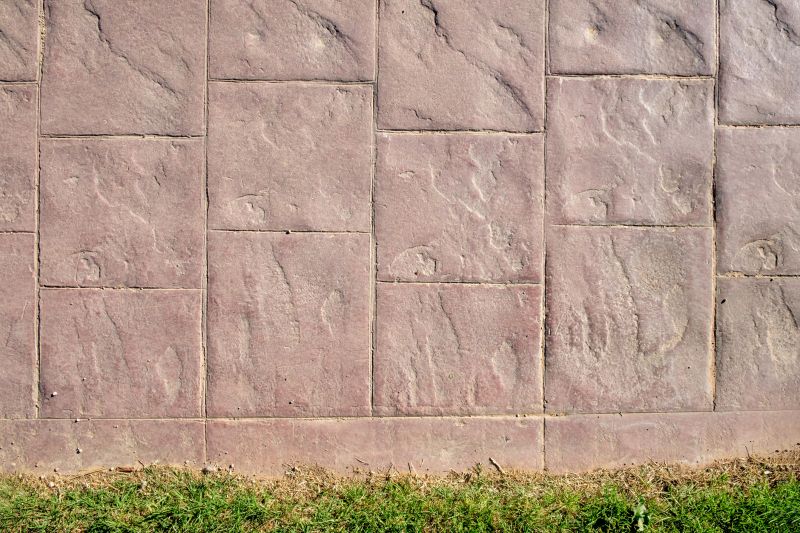
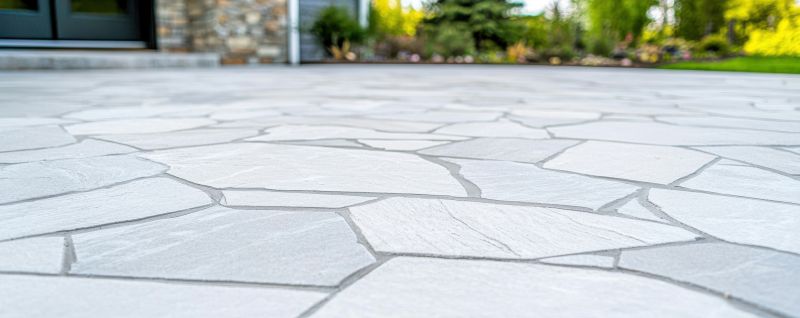
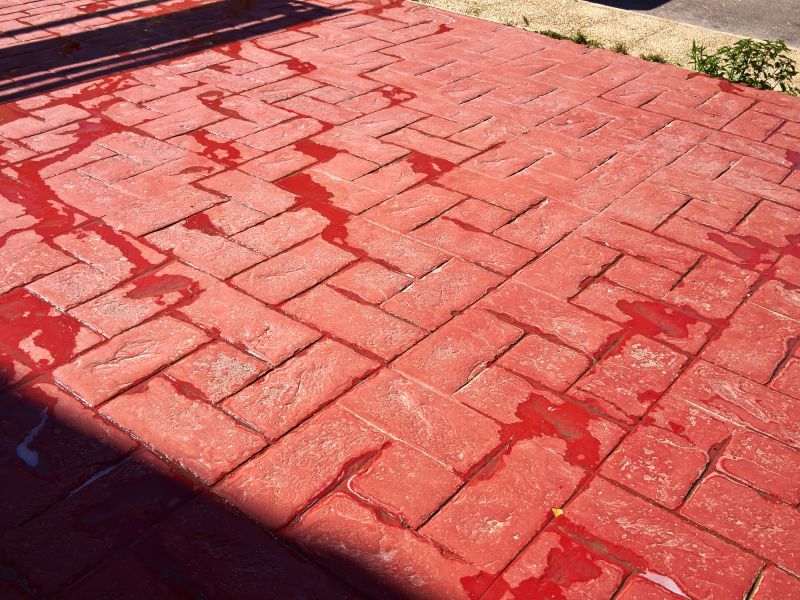
When homeowners search for information on how weather exposure impacts residential stamped concrete surfaces, they are often trying to understand why their decorative concrete might be showing signs of damage or deterioration over time. Many are planning to install or already have stamped concrete in areas such as driveways, patios, or walkways and want to know how seasonal changes, moisture, and temperature fluctuations can affect the longevity and appearance of these surfaces. This type of inquiry typically relates to concerns about cracking, surface erosion, color fading, or surface discoloration, which can compromise both the aesthetic appeal and structural integrity of stamped concrete. Understanding these factors helps homeowners make informed decisions about maintenance, repair, or preventive measures to preserve their investment.
Weather exposure plays a significant role in how residential stamped concrete surfaces age and perform. For example, freeze-thaw cycles can cause the concrete to expand and contract, leading to cracking or surface spalling. Excess moisture from rain or snow can seep into the porous surface, resulting in discoloration or weakening of the material over time. Sun exposure, especially in areas with strong sunlight, can cause color fading or uneven surface wear. Additionally, high humidity levels can promote the growth of mold or algae on the surface, further impacting the appearance. These weather-related factors are common concerns for homeowners who want their stamped concrete to withstand seasonal changes without deteriorating prematurely.
Certain properties tend to experience more noticeable impacts from weather exposure on stamped concrete surfaces. These often include properties in regions with harsh winters, heavy rainfall, or intense sun exposure. Residential properties with expansive outdoor areas, such as large patios or driveways, are particularly vulnerable because they are constantly exposed to the elements. Homes situated in climates with frequent temperature fluctuations or high humidity levels may notice quicker deterioration if proper protective measures are not taken. These properties often require specialized repair or sealing services to mitigate weather-related damage and extend the lifespan of the stamped concrete.
Local service providers specializing in residential stamped concrete repair are well-equipped to address the effects of weather exposure on these surfaces. They can assess the extent of damage caused by environmental factors and recommend appropriate solutions such as sealing, crack repair, or surface resurfacing. These professionals understand how different weather conditions influence concrete performance and can advise on preventive treatments to reduce future deterioration. Connecting with experienced contractors ensures that homeowners receive tailored advice and quality workmanship to maintain the beauty and durability of their stamped concrete surfaces despite ongoing weather challenges.
Patio and Walkway Installations - These projects often involve stamped concrete techniques similar to residential surfaces and require planning for weather conditions that can affect curing and durability.
Driveway Resurfacing - Resurfacing driveways with stamped concrete demands knowledge of weather impact on surface adhesion and finishing, making local contractors skilled in weather-sensitive applications essential.
Outdoor Kitchen and Bar Countertops - Installing stamped concrete for outdoor countertops involves understanding weather exposure factors that influence surface longevity and finish quality.
Pool Deck Renovations - This work requires expertise in weather-resistant finishes and surface treatments to prevent damage from moisture and temperature fluctuations.
Decorative Concrete Finishing - Applying decorative finishes on concrete surfaces demands awareness of weather conditions to avoid issues like cracking or improper curing.
Concrete Surface Repair - Repair projects addressing weather-related damage on stamped concrete surfaces benefit from local service providers experienced in weather-aware repair techniques.
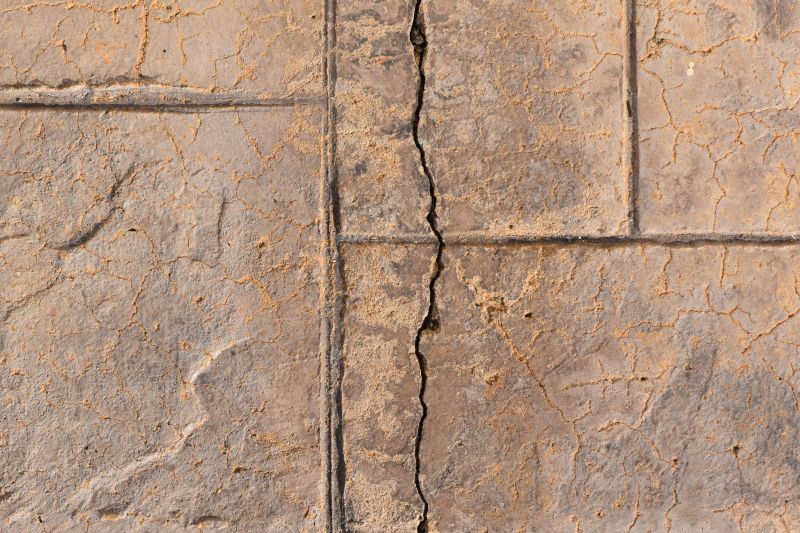
When comparing local contractors for residential stamped concrete repair, it’s important to consider their experience with projects similar to yours. Homeowners should look for service providers who have a proven track record of addressing weather-related impacts on stamped concrete surfaces. An experienced contractor will understand how various weather conditions-such as temperature fluctuations, moisture, and UV exposure-can affect the durability and appearance of stamped concrete, enabling them to recommend appropriate repair strategies and preventive measures. Asking about past projects or requesting references can provide insight into their familiarity with weather-related challenges and their ability to deliver results that withstand local environmental factors.
Clear written expectations are essential when evaluating potential service providers for stamped concrete repair. Homeowners should seek contractors who can provide detailed descriptions of the scope of work, materials to be used, and the expected outcomes, especially in relation to weather exposure considerations. This clarity helps ensure that both parties are aligned on project goals and reduces the likelihood of misunderstandings. Well-defined expectations also enable homeowners to assess whether the contractor’s approach accounts for the specific weather conditions that impact their area, such as freeze-thaw cycles or heavy rainfall, which can accelerate surface deterioration or affect repair longevity.
Reputable references and effective communication are key factors in choosing a reliable contractor for stamped concrete repair. Service providers who can offer references from previous clients-particularly those with similar weather exposure concerns-demonstrate transparency and confidence in their work. Good communication throughout the project ensures that homeowners are kept informed about weather-related risks and how they might influence repair methods or timing. This ongoing dialogue helps homeowners feel confident that the contractor understands the unique weather challenges their property faces and is committed to providing solutions that address those factors, resulting in a more durable and visually appealing stamped concrete surface.
Property owners often search for how weather exposure impacts residential stamped concrete surfaces when they are planning practical projects around their homes and businesses. Local pros provide Residential Stamped Concrete Repair services for everyday jobs and straightforward project options.
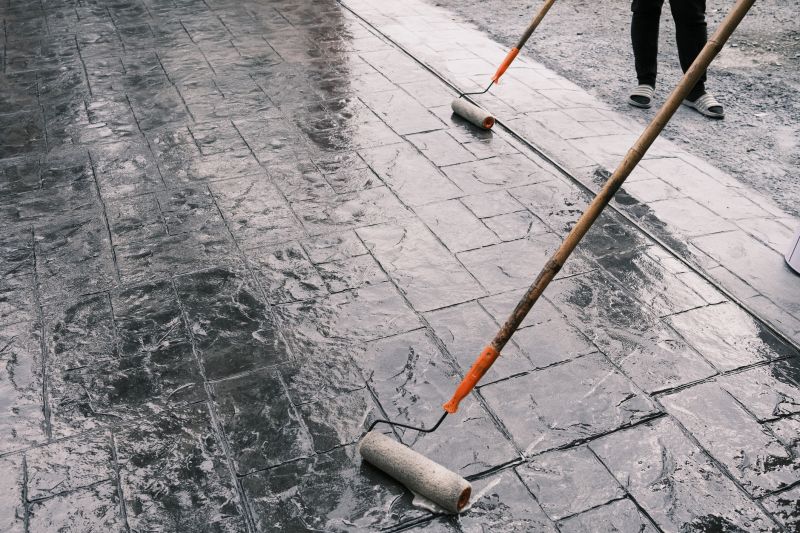
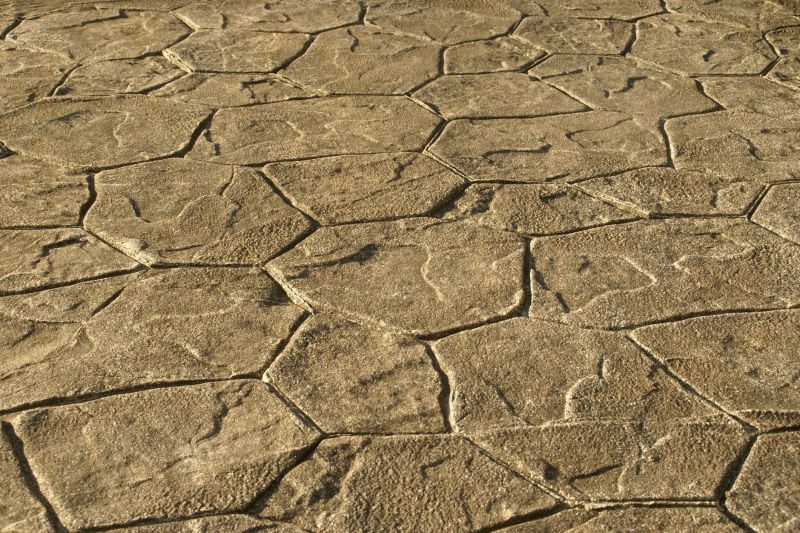
Weather exposure can significantly influence the durability and appearance of residential stamped concrete surfaces. In areas with fluctuating temperatures, rain, or intense sunlight, concrete can develop issues such as cracking, fading, or surface erosion over time. Property owners often seek insights into how these weather conditions might impact their stamped concrete to determine if repairs or protective measures are necessary to maintain their outdoor spaces.
Local contractors specializing in stamped concrete repair are equipped to address weather-related damage and help preserve the integrity of these surfaces. They can assess the extent of weather-induced wear, recommend suitable repair solutions, and apply protective treatments to extend the lifespan of stamped concrete. Property owners considering repairs can benefit from consulting experienced service providers who understand how weather exposure impacts residential stamped concrete surfaces and can deliver tailored solutions to keep outdoor areas looking their best.
How does weather exposure affect the durability of residential stamped concrete surfaces? Weather exposure can lead to cracking, spalling, or surface deterioration in stamped concrete, especially when subjected to freeze-thaw cycles, heavy rain, or extreme heat. Local contractors experienced in stamped concrete repair can assess damage and recommend appropriate restoration methods to maintain surface integrity.
Can weather conditions cause discoloration or fading in stamped concrete finishes? Yes, prolonged exposure to sunlight, rain, and temperature fluctuations can cause fading or uneven discoloration of stamped concrete surfaces. Skilled repair professionals can restore color consistency and protect the surface against future weather-related fading.
What types of weather-related damage are common on stamped concrete surfaces? Common issues include surface cracking, surface spalling, color fading, and the development of uneven patches. Local service providers can perform repairs to address these problems and help prevent further weather-related deterioration.
How can weather exposure influence the need for stamped concrete repairs over time? Continuous weather exposure can accelerate wear and cause surface damage, increasing the likelihood of repairs. Local pros can evaluate weather-related impacts and recommend maintenance or repair solutions to extend the lifespan of stamped concrete surfaces.
What measures can be taken to protect stamped concrete surfaces from weather damage? Protective sealers, proper drainage, and timely repairs can help shield stamped concrete from weather effects. Local contractors can provide services that enhance weather resistance and restore surfaces affected by environmental exposure.
Assessing weather-related damage - property owners can evaluate how weather exposure has caused cracks or surface wear on stamped concrete to determine if repairs are needed.
Choosing weather-resistant finishes - selecting sealers and coatings that resist moisture and temperature changes can help protect stamped concrete surfaces during extreme weather.
Planning for seasonal repairs - scheduling maintenance with local contractors to address weather-induced issues before they worsen ensures the longevity of stamped concrete surfaces.
Implementing protective measures - applying sealants and coverings during harsh weather seasons can minimize damage and extend the life of stamped concrete surfaces.
If you are thinking about how weather exposure impacts residential stamped concrete surfaces for a property, this guide is meant to help you understand this topic, the typical project types, and how different options might fit your plans.
When you are ready, you can use the quote form on this page to share a few details about your project. From there, local pros can review the basics and follow up with options that match what you have in mind.